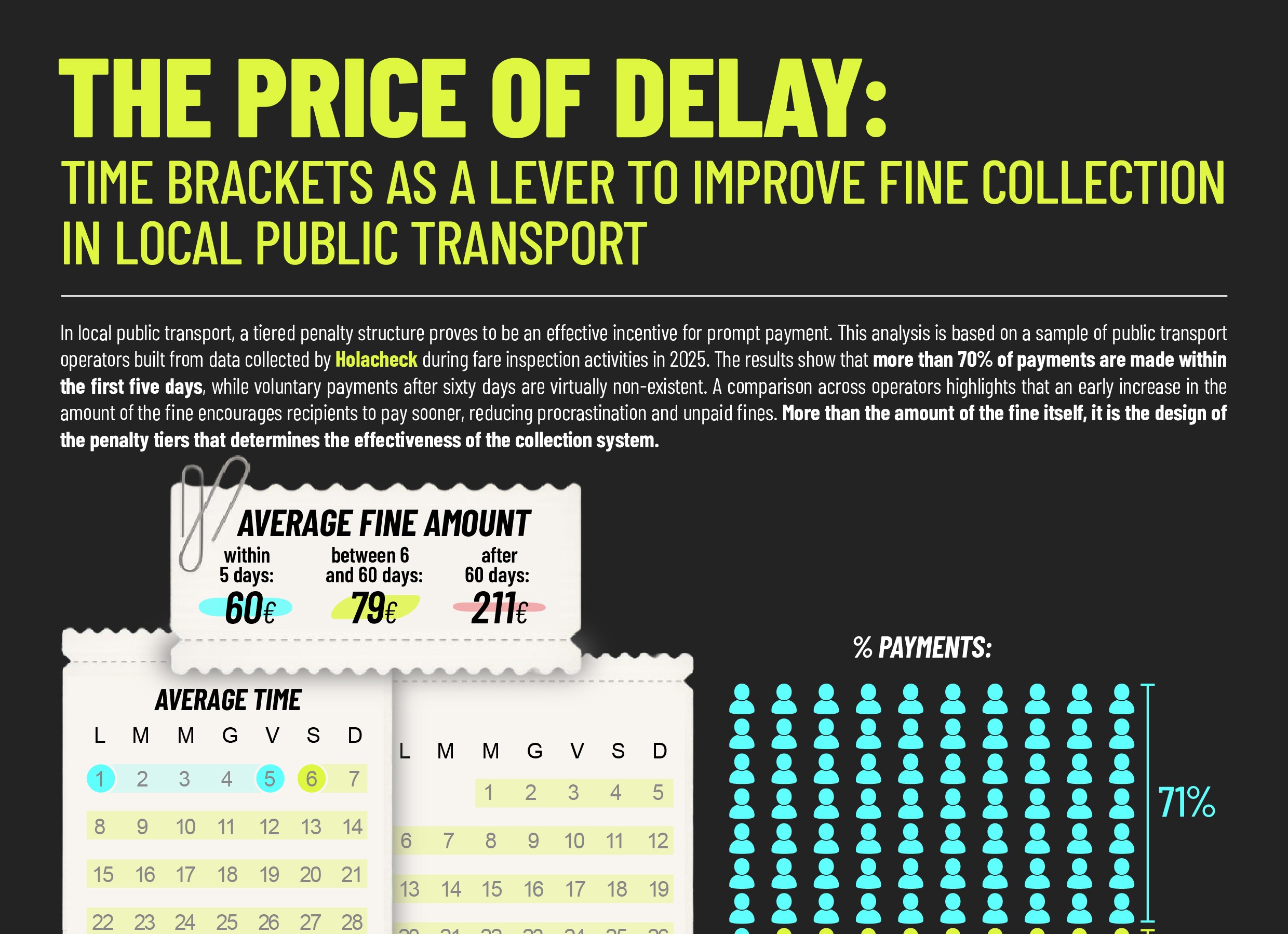
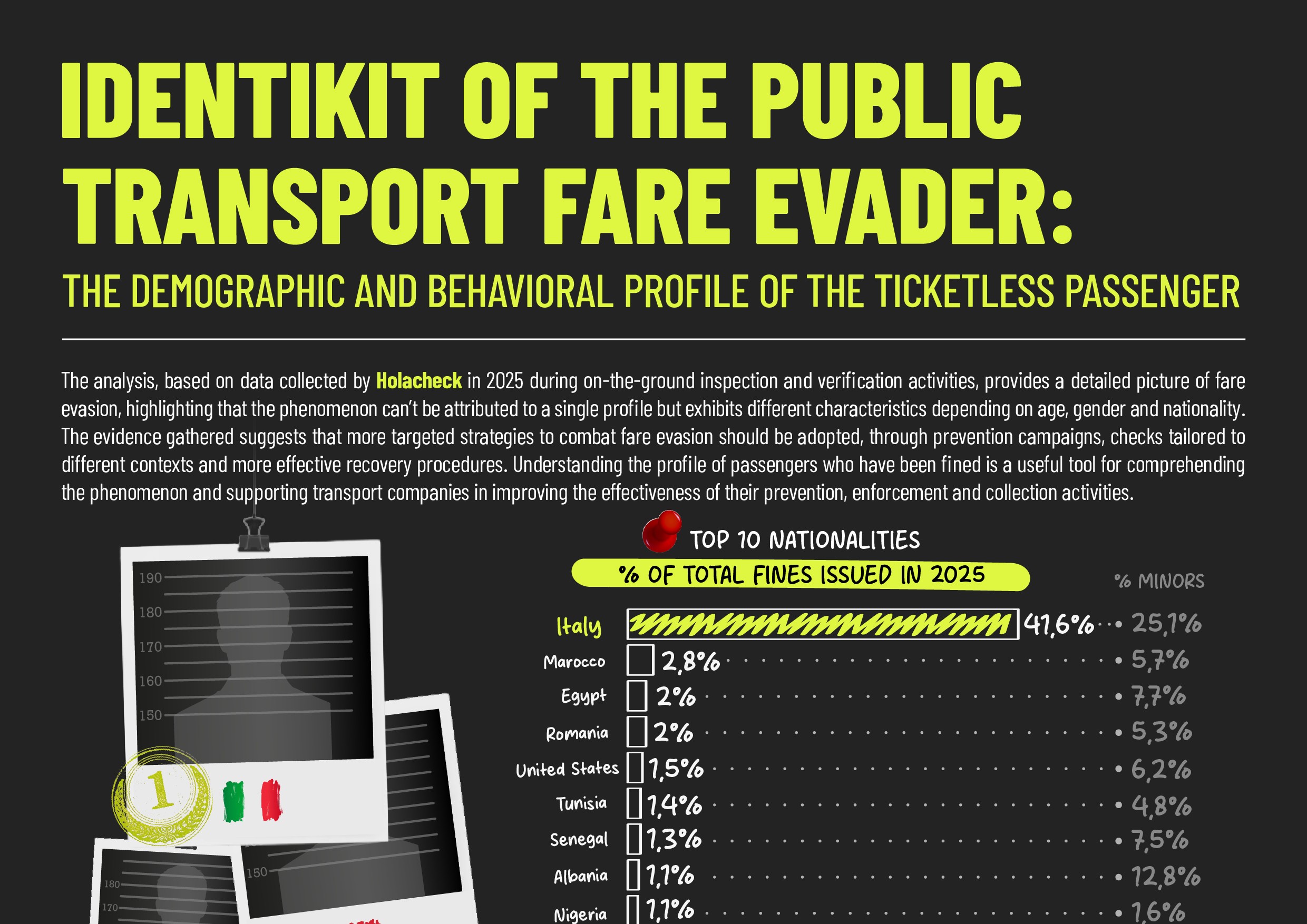
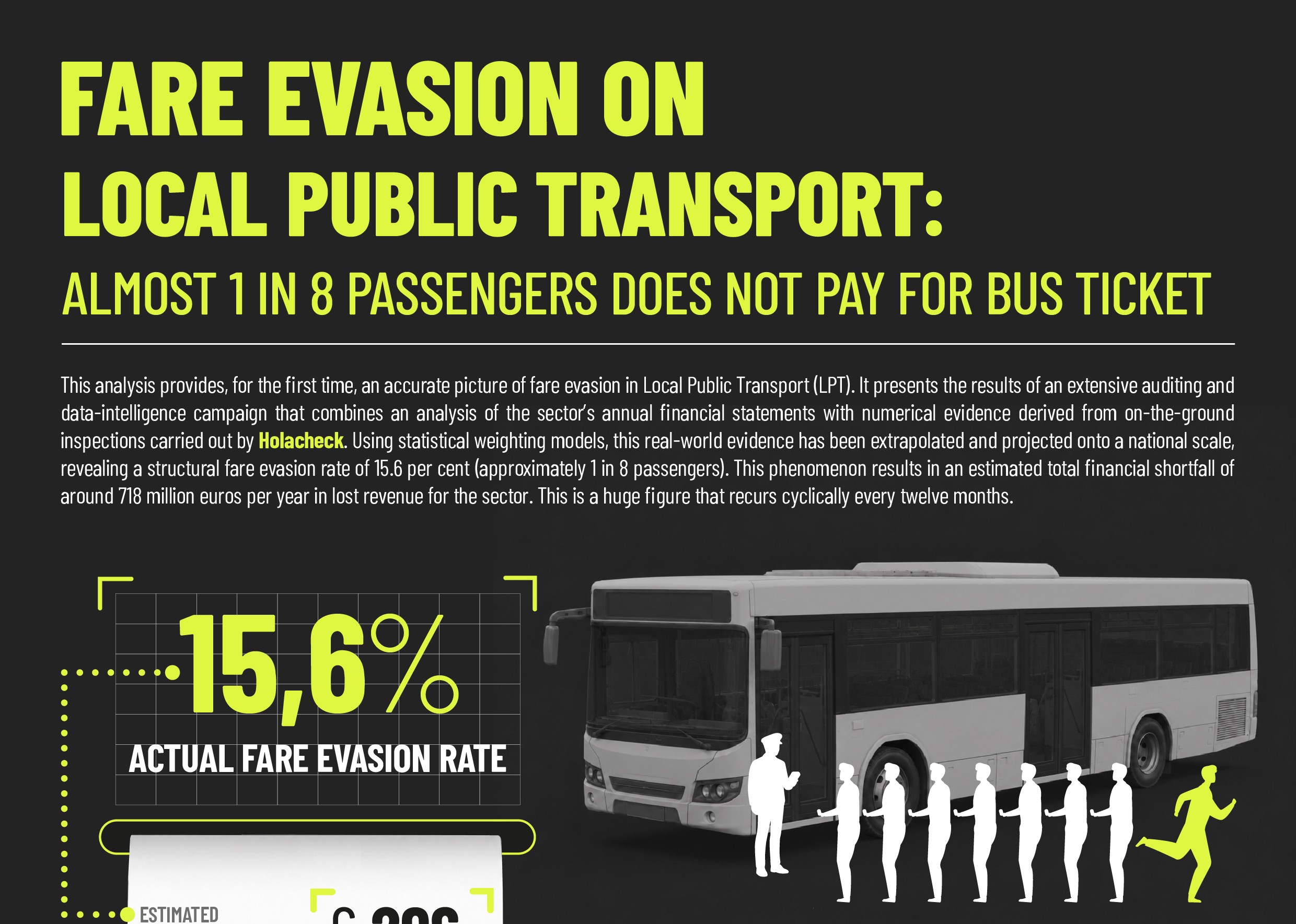
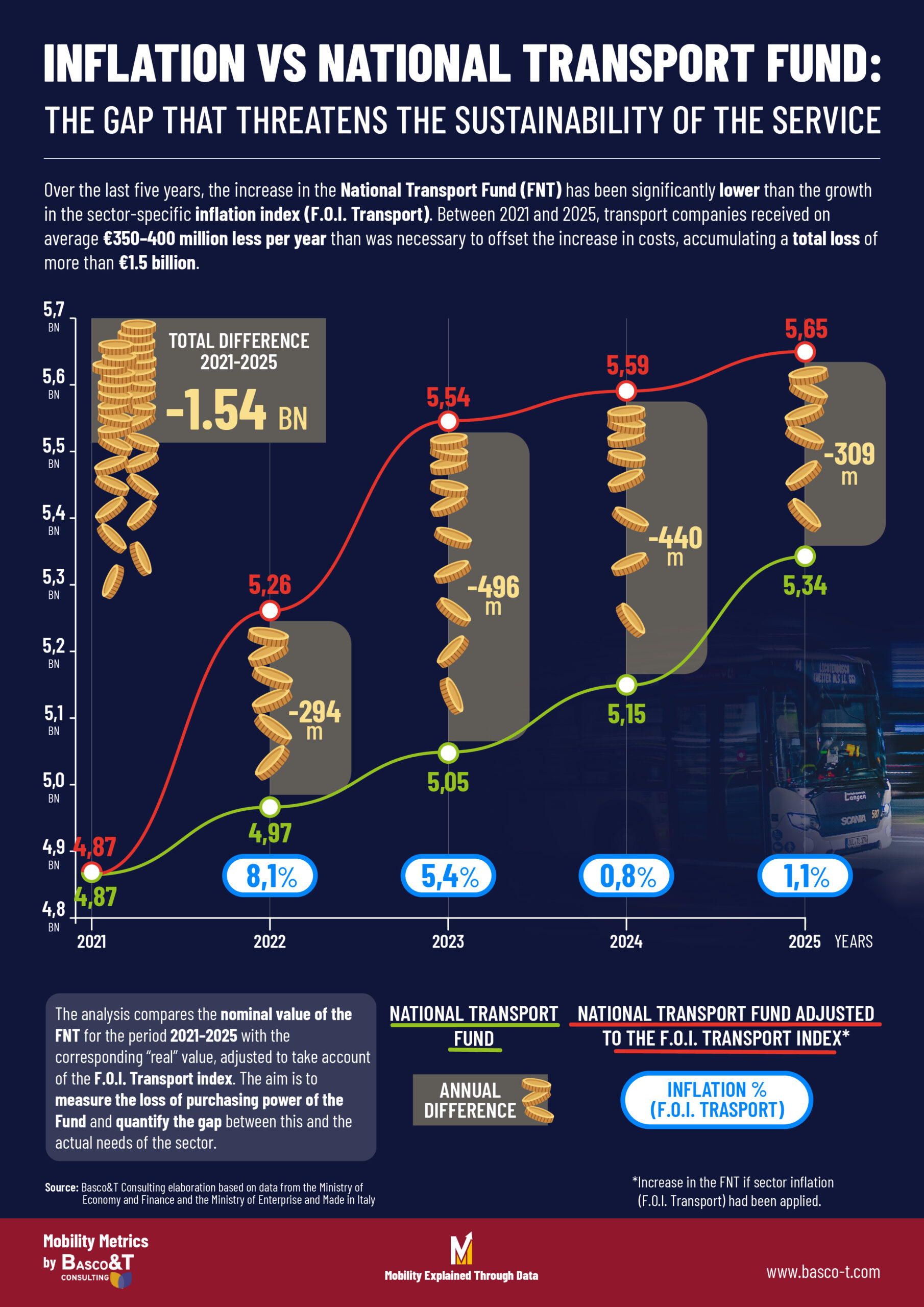
Over the last five years, the increase in the National Transport Fund (FNT) has been significantly lower than the growth in the sector-specific inflation index (F.O.I. Transport). Between 2021 and 2025, transport companies received on average €350–400 million less per year than was necessary to offset the increase in costs, accumulating a total loss of more than €1.5 billion.
Share on:
Trade associations – Agens, ANAV, and Asstra – have repeatedly denounced this imbalance, calling for urgent action to ensure the economic sustainability of local public transport.
Data and methodology
The analysis compares the National Transport Fund for the period 2021–2025 with the value it should have reached in order to maintain constant purchasing power, calculated using the F.O.I. Transport index. The result is a clear picture of the gap between available resources and the actual costs of the sector.
Evolution of the National Transport Fund and impact of inflation
(Figures in thousands of euros)
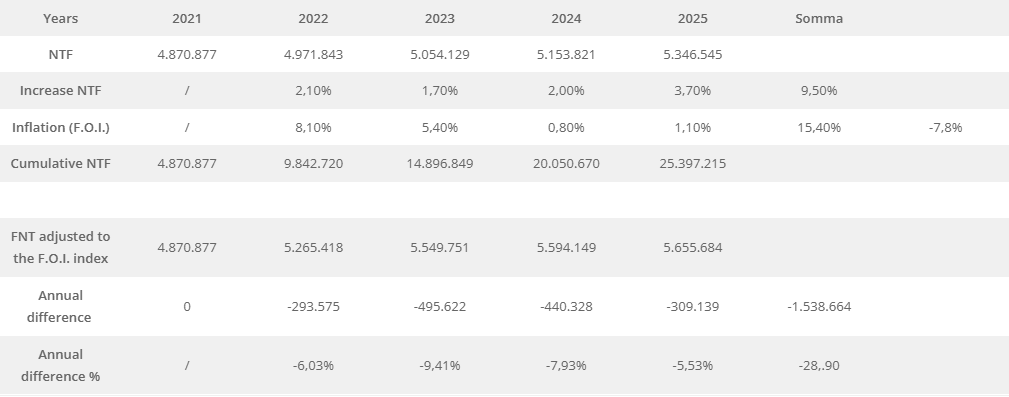
Basco&T Consulting elaboration on data Istat and Ministero dell’Economia e delle Finanze
Analysis of FNT trends for the period 2021–2025 shows steady nominal growth: from 4.87 billion in 2021 to 5.35 billion in 2025. However, this trend does not offset the price increases recorded in the sector over the same period.
- The overall increase in the FNT over the five-year period is +9,5%.
- Cumulative inflation in the transport sector reaches +15,4%.
This results in a gradual deterioration of the Fund's purchasing power. Each year, the FNT grows less than inflation, leading to a growing gap between available resources and actual costs.
The inflation-adjusted FNT represents the value that the Fund would have had to reach in order to maintain its purchasing power unchanged. Example:
- In 2023, the actual FNT amounts to €5,054,129.
- But the amount needed to cover inflation would have been €5,549,751.
- The deviation is over €495,000 (-9.4%).
The cumulative result for the last five years is a total loss of €1.5 billion, compared to the amount needed to fully cover inflation over the five-year period.
This gap represents a structural problem, as the FNT is the main source of funding for local public transport.
The context: stagnant wages and frozen contracts
In addition to the unfavorable dynamics of the FNT, there is also the effect of delays in contract renewals over the last twenty years, which have resulted in:
- Salary stagnation
- loss of purchasing power for workers
- need for more resources to clear the backlog when renewals are unblocked
These resources must necessarily be obtained through a structural adjustment of the FNT.
Requests from trade associations
The trade associations Agens, ANAV, and Asstra are calling for:
- Structural adjustment of the FNT to sector inflation
- Automatic indexing of the Fundx
- Recognition of the costs of ecological transition
- Additional resources for contract renewals and staffing requirements
- Multi-year stability in financing
Without immediate intervention, there is a risk of the system becoming increasingly fragile: fewer journeys, difficulties in planning investments, and increasingly critical working conditions.
Conclusion
The analysis clearly shows that the National Transport Fund has not kept pace with inflation in recent years and has lost real value. Without urgent action, the public transport system risks becoming unsustainable, with effects such as:
- significant reduction in the resources available to public transport companies,
- slowdown in vehicle renewals and ecological transition,
- difficulties in managing staff and contracts,
- compromise in service quality and continuity.
Structural and immediate intervention on the FNT is therefore essential to ensure the stability and future of local public transport.