
Rome
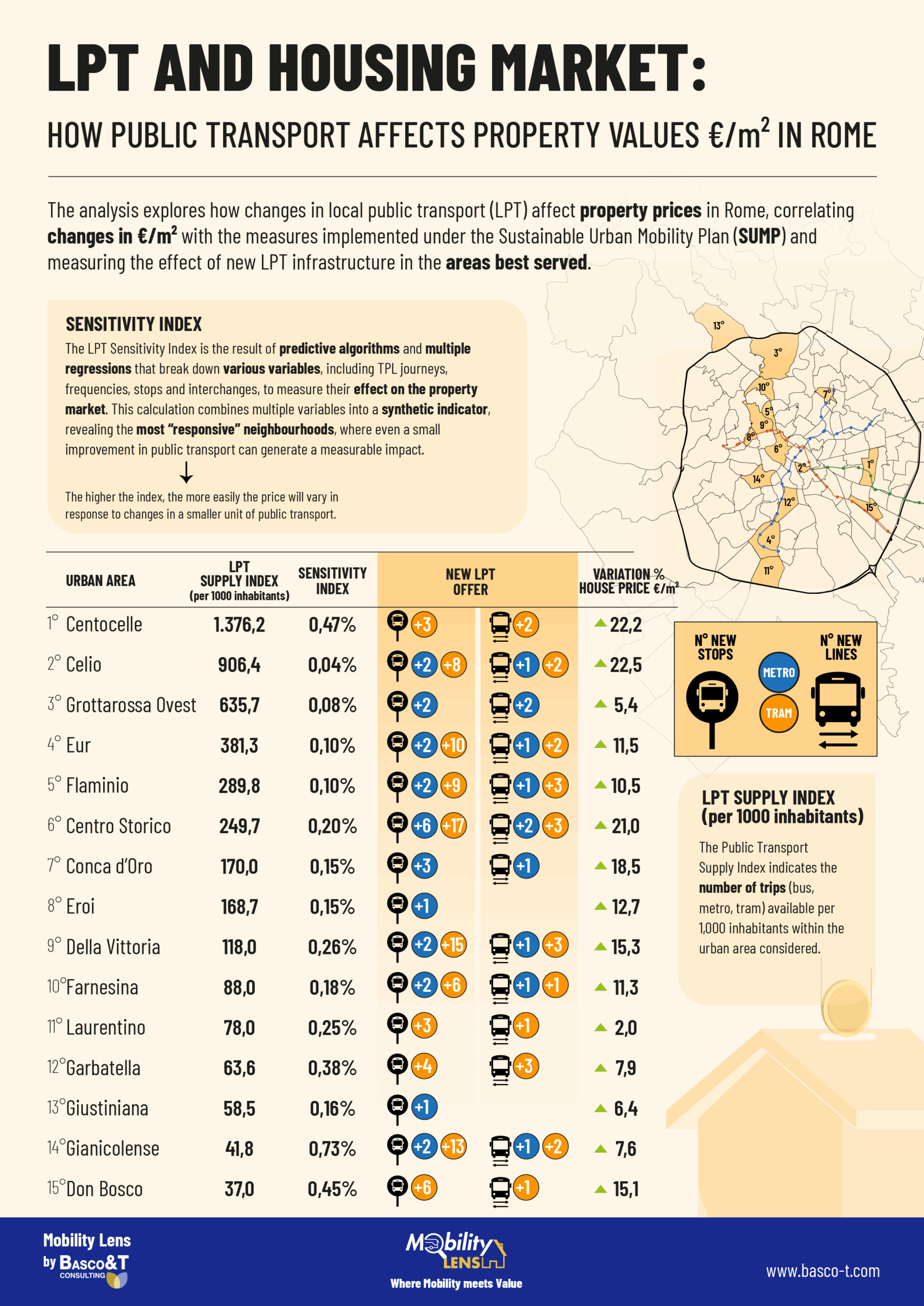
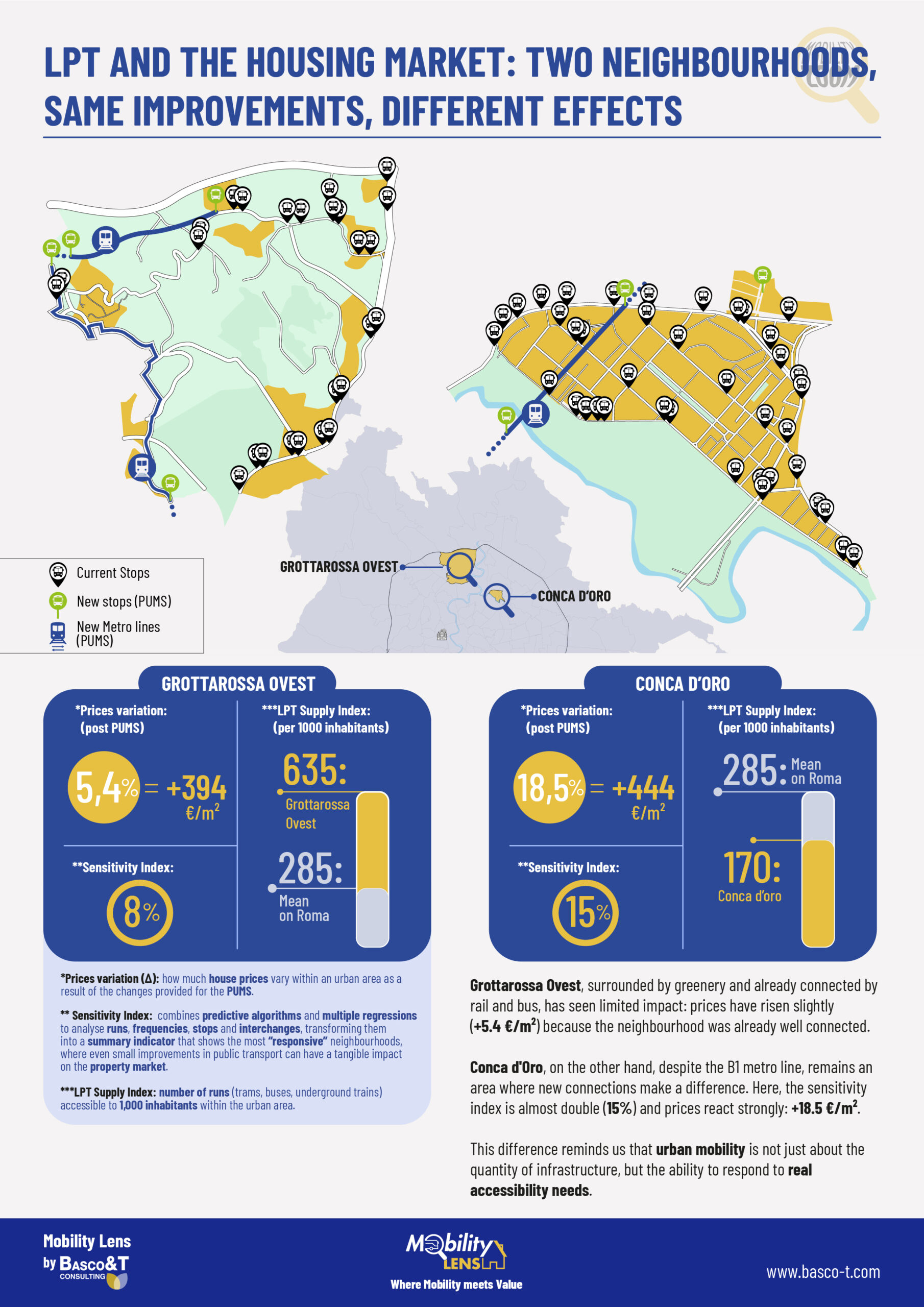
The results show that property values do not depend only on the availability of public transport, but also on the quality and distribution of the service itself.

The results obtained for the city of Rome are shown below, taking two factors into account:
- Prices are considered at constant currency, i.e. purchasing power does not vary over time;
- The price variation estimated by the model does not occur immediately in reality, but gradually over time.

Areas with higher density of transport services and interconnections between means of transport have higher property values. This suggests that an efficient and continuous public service is perceived as added value by the market.
In contrast, the mere presence of many stops (tram, underground) is associated with a reduction in value per m², probably because it is linked to busier, noisier or less residential areas.
Also the structural characteristics of the neighbourhood have an impact: larger or more densely populated neighbourhoods tend to have lower prices, in line with a wider and less exclusive property offering.
Approfondimenti:
TPL e mercato immobiliare
San Lorenzo
La Pisana
TPL E MERCATO IMMOBILIARE-DUE QUARTIERI
Mobility Zoom: San Lorenzo
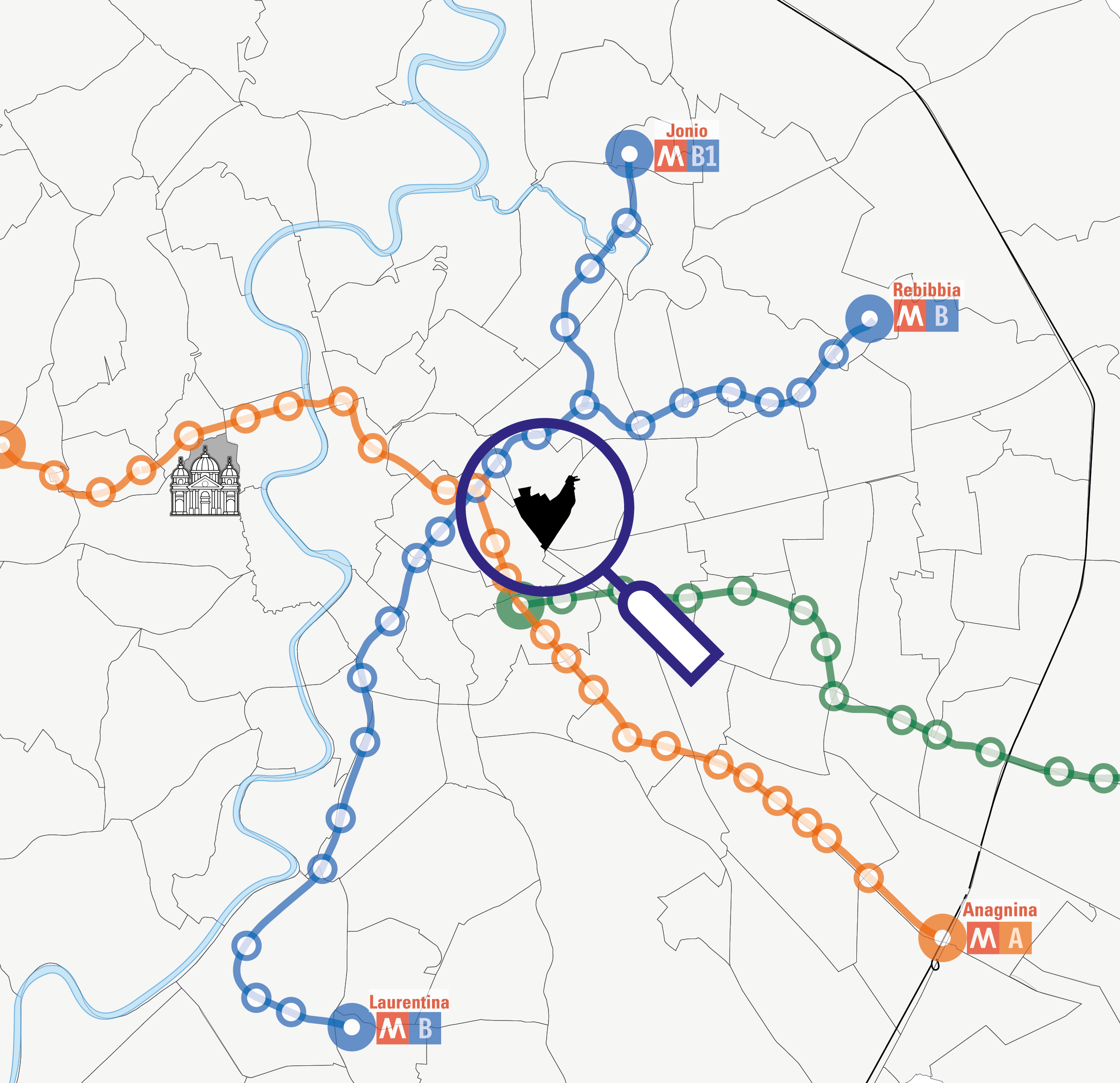
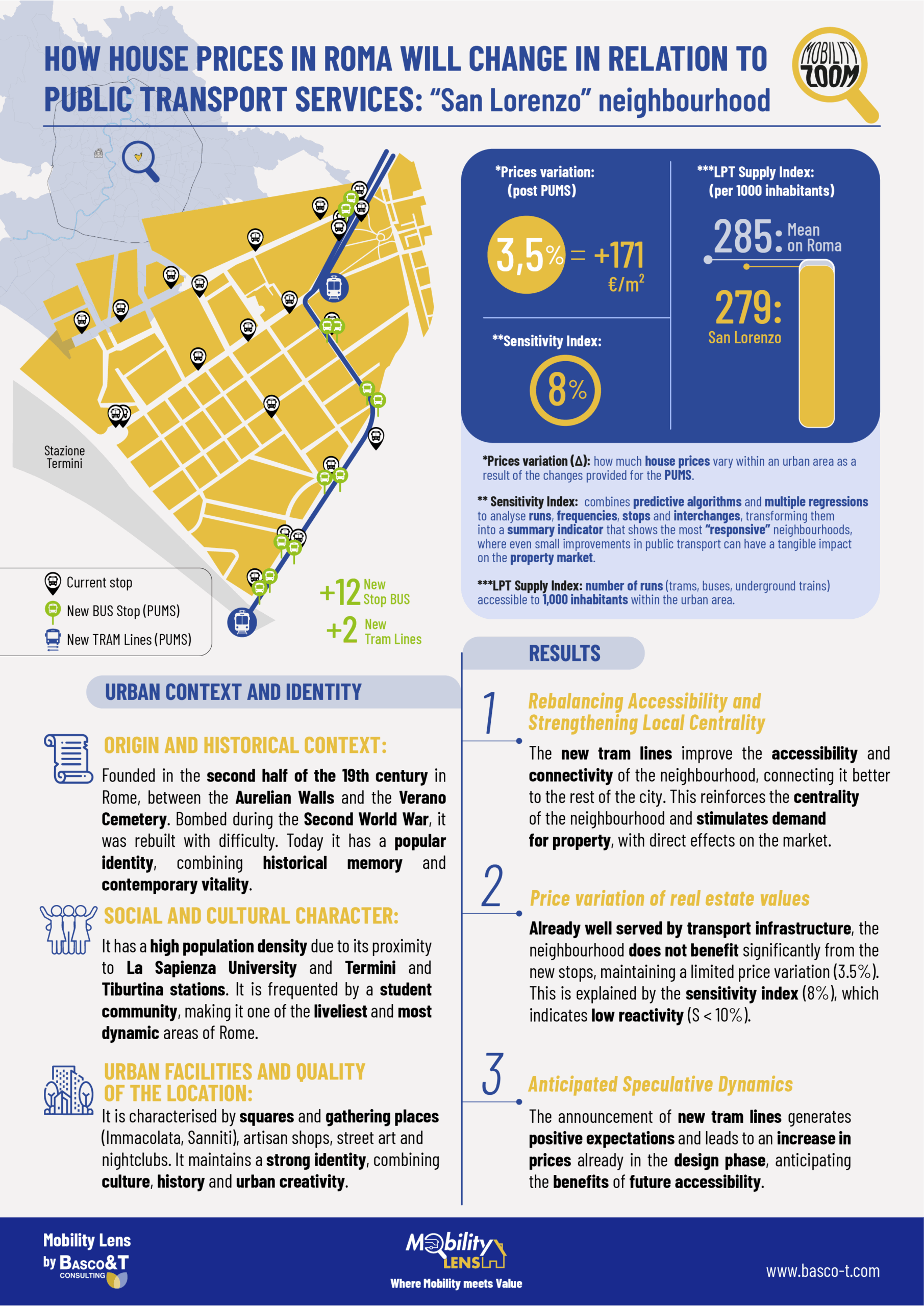
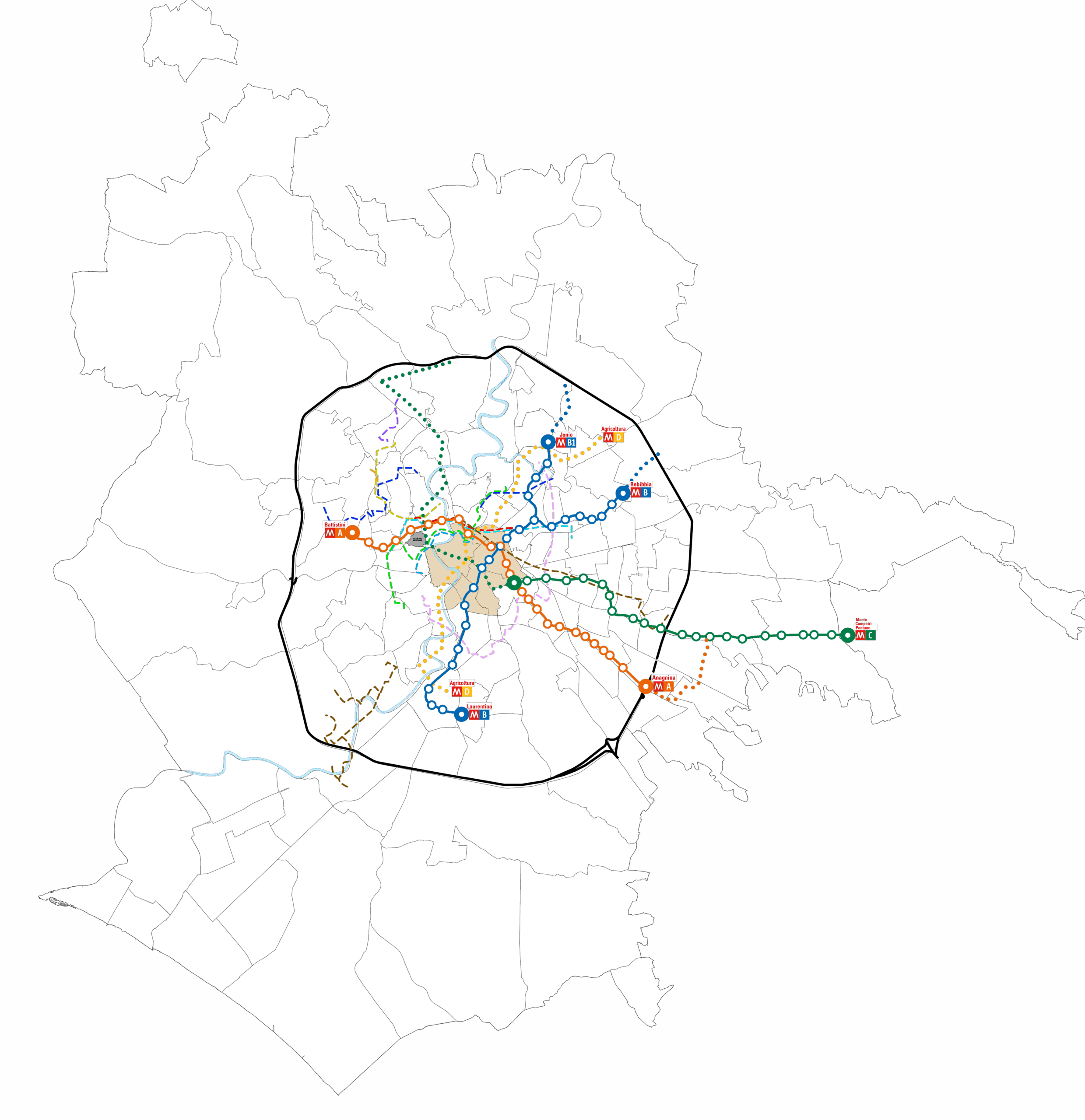
The forecasting model estimate an average increase of +171€/m²linked with the future opening of 12 stops and 2 tram lines in San Lorenzo.
The new infrastructure improves connectivity, reduces travel times and strengthens links with the rest of the city, enhancing the perception of the neighbourhood's centrality. This effect adds to the existing attractions - population density, student community, local commerce and cultural vitality - fuelling demand for property.
Furthermore, the market tends to anticipate the expected benefits: the announcement of the new lines is contributing to a rise in prices even at the planning stage.

Historical Roots
Born at the end of the Nineteenth century, such as the working-class district, San Lorenzo, was hard-hit by the bombing of the Second World War. Today it retains a’the spirit of the peoplesuspended between the historical memory and vitality of the contemporary.

Social and Cultural life
Densely populated and close to La Sapienza University, it is enlivened by a strong student and creative presence that makes the neighbourhood one of the most dynamic and stimulating in Rome.

Spaces and Urban Identity
With its squares, street art, artisan shops and nightlife, San Lorenzo combines history, culture and creativity in an urban space with a unique identity.
Mobility Zoom: Pisana
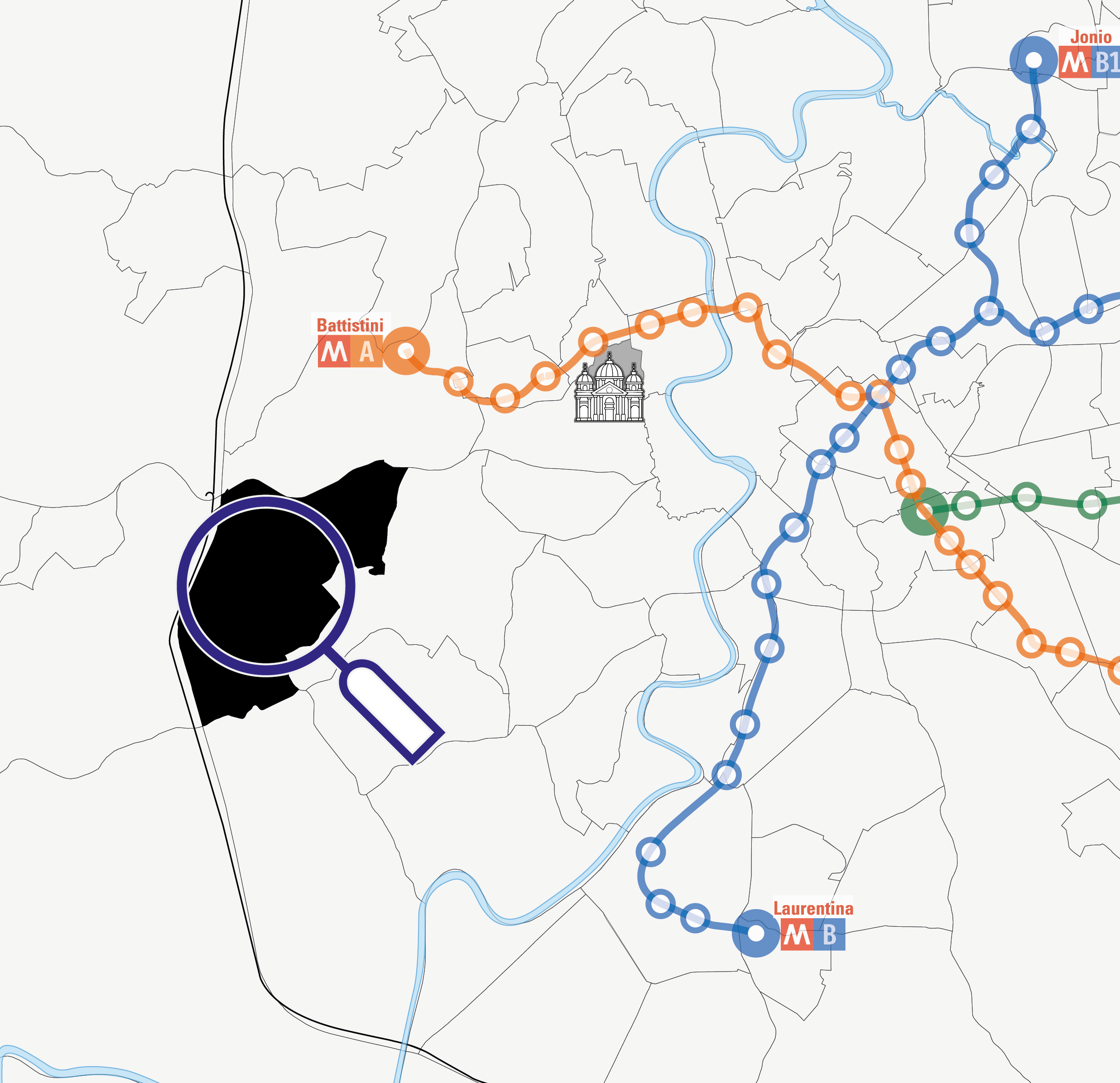
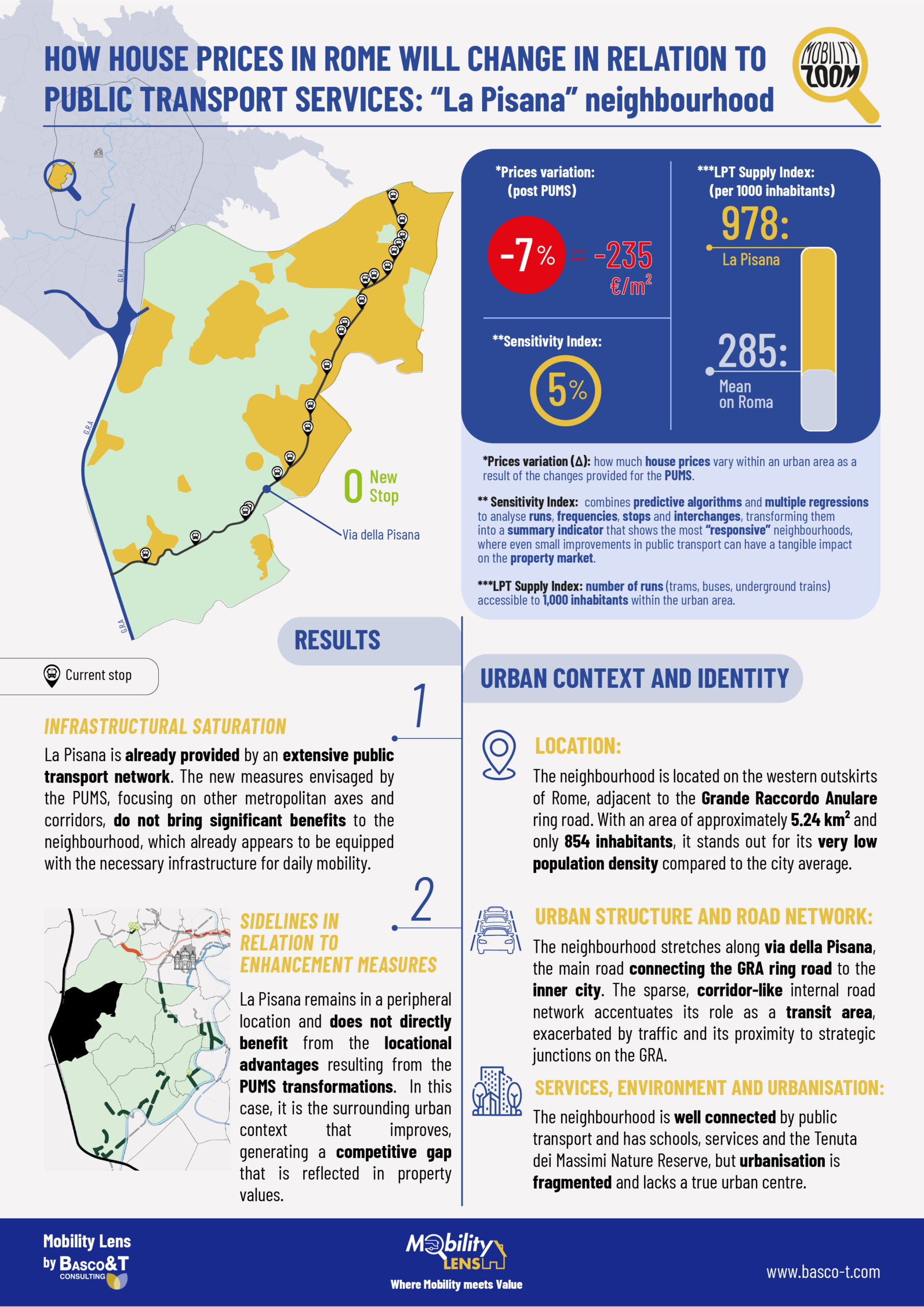
The forecast analysis indicates for The Pisan a negative change of about –235 €/m2.
The neighbourhood, already well served by public road transport (public transport supply index: 978 compared to a city average of 285), does not benefit additionally from the PUMS measures, which favour other urban axes.
As a result, while other areas see the growth of theattractiveness thanks to new lines and interchangesThe Pisan remains marginal and congestedlosing the relative competitiveness.
The estimated decline therefore reflects not an internal deterioration, but the gap with neighbourhoods that are receiving new infrastructure and prospects for enhancement.

Location and Size
The Pisa is located in the outskirts west of Rome, between the GRA and the via Portuense. With 854 inhabitants on 5,24 km2presents a very low density compared to the city average.

Morphology and Viability
The neighbourhood has a linear layout along Via della Pisana, with few significant secondary roads. Its “corridor” shape makes it more of a transit point than a residential area, a situation exacerbated by heavy traffic.
Services and Urban Identity
Is well serviced by public transport and near the Reserve of the Estate of the Maximum. L’urbanization it is, however, fragmentedwith residences scattered, and the absence of a true urban centrality.
Conclusion
The model confirms that public transport The model confirms that public transport can be a determining factor in property values, but only if it is well designed and tailored to the needs of the area. determining factor in the value of the property, but only if it is well designed and calibrated about the needs of the territory.
Quantity alone is not enough: what matters is how accessible, frequent and interconnected the service is. In this context, the construction of composite indicators has proved particularly useful in capturing qualitative aspects that are difficult to measure with raw data.
These results may offer a support real urban planningto investment choices and definition of integrated strategies between mobility and real estate development.
Prospects for Development
The analysis conducted represents an initial methodological application aimed at exploring the factors that influence property values in urban areas of Rome.However, the model developed can be expanded and refined in several aspects.
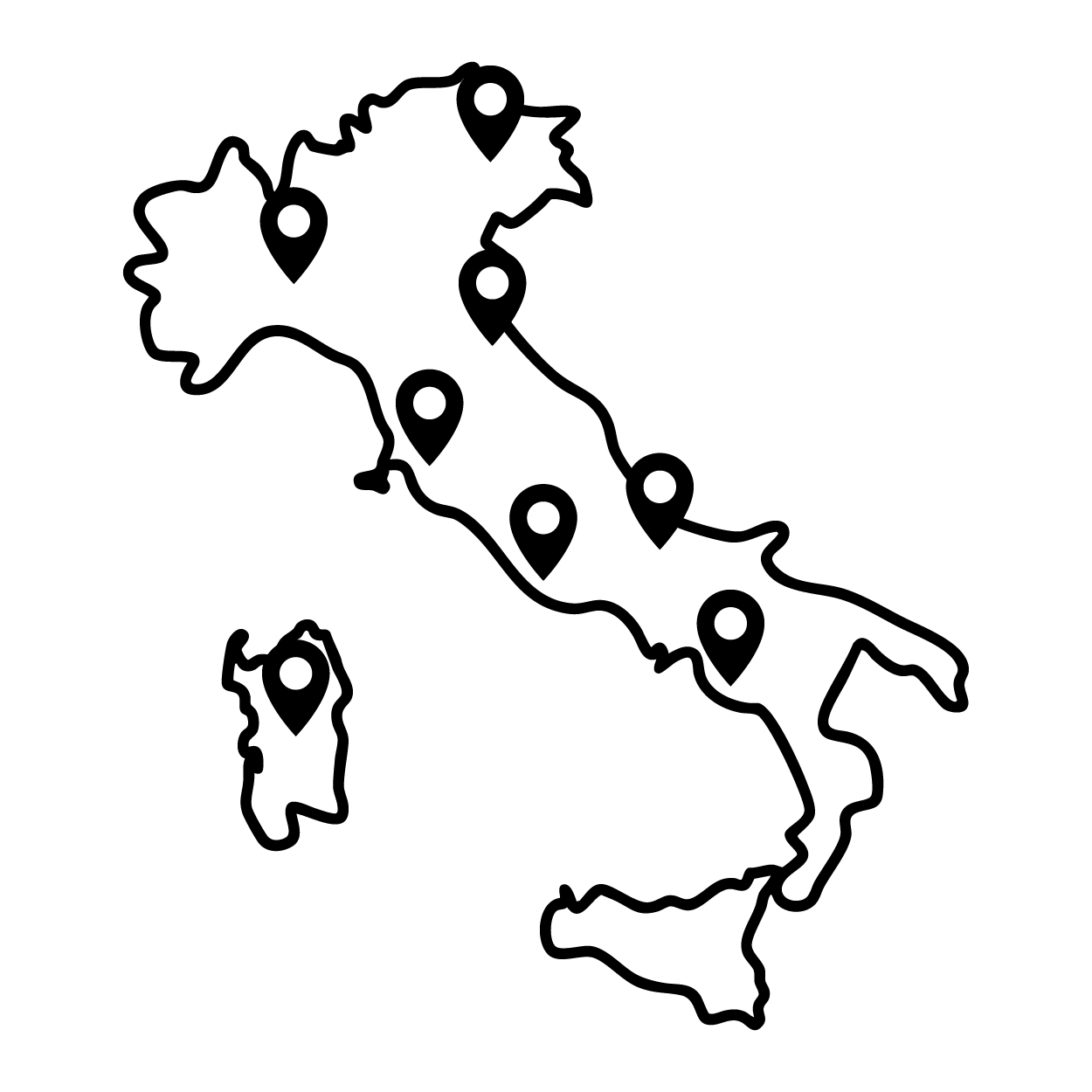
Analysis of other Italian cities
To extend the study over Rome, and extend it to other Italian cities (e.g. Milan, Turin, Bologna, Naples) compare the real estate market and check the stability of the results.

Longitudinal Analysis
Integrate a longitudinal analysis, based on historical price series, to overcome the limitation of the current analysis referring to a single year.

Strategic Support
Building a predictive urban matrix capable of supporting strategic decisions by public bodies, real estate operators and institutional investors.